
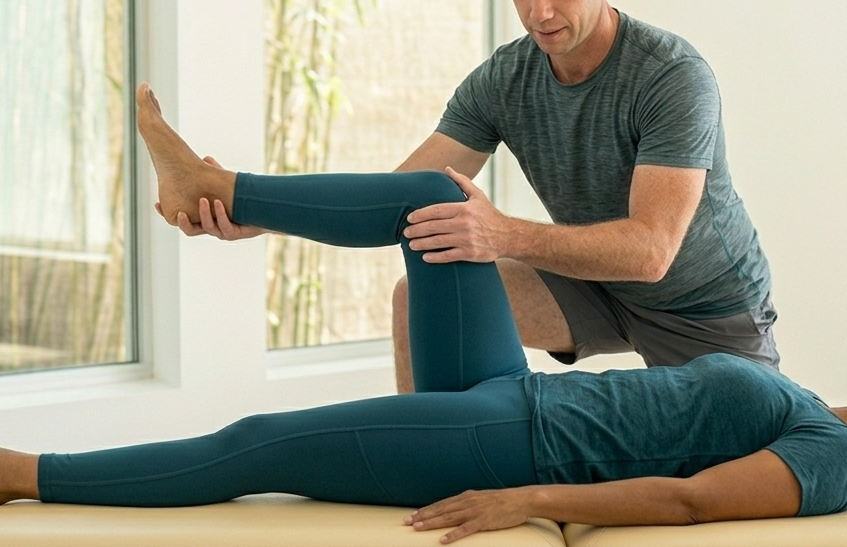
The FluidiQi Approach
Healing Is a Process of Reorganization.
FluidiQi is built on the understanding that movement does not originate from a single structure. It emerges from interaction between tissues, joints, organs, fascial matrix, nervous system regulation, breath mechanics, cognition, behavior, environment, and the surrounding fascial matrix of every single structure.
When one part adapts, others respond.
Injury, surgery, inflammation, trauma, scars, stress, and chronic compensation patterns can alter how force is distributed through the body. Over time, these adaptations may limit mobility, coordination, and resilience.
The FluidiQi approach examines these relationships and supports the body in restoring adaptable, efficient movement.
The Five Steps
A systematic journey from restriction to resilience.
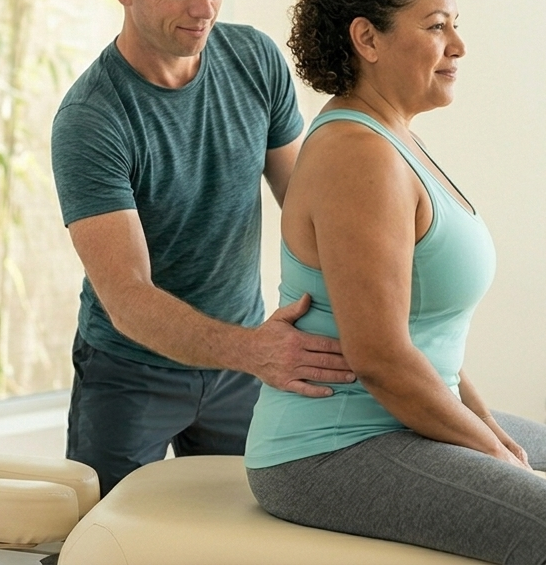 01
01
Systems-Based Assessment
Care begins with listening. Each session starts with a comprehensive evaluation of the whole system:
- Structural alignment
- Load distribution
- Movement patterns
- Nervous system
 02
02
Manual Integration
Restoring mobility and structural efficiency to tissues that have lost adaptability through targeted intervention.
- Fascial mobilization
- Scar tissue work
- Bone mobilization
- ZOGA lineage work
 03
03
Movement Re-Education
Movement is where adaptation becomes sustainable. This is where compensation shifts toward adaptability.
- Pilates-based rehab
- Tai Chi & Qi Gong
- Neurological re-ed
- Postural retraining
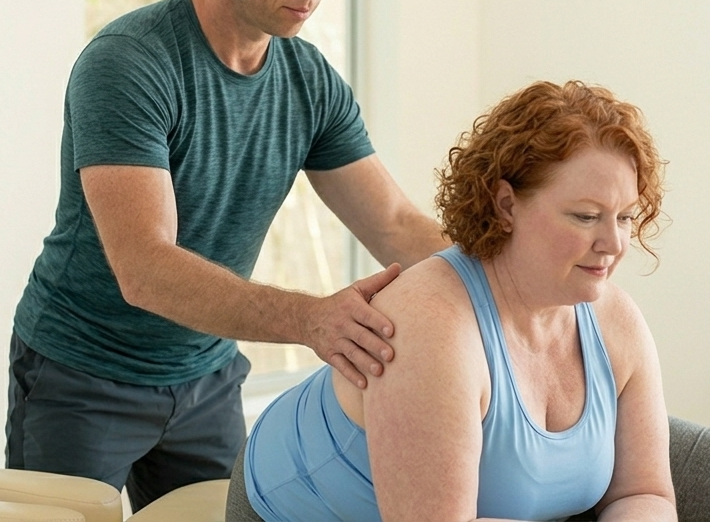 04
04
Leveraging Strengths
FluidiQi identifies and amplifies your inherent capacities—cognitive, structural, and emotional—to support areas of limitation.
- Structural intelligence
- Emotional resilience
- Cognitive awareness
- Behavioral capacity
 05
05
Participation & Agency
The goal is the development of agency. When movement options become abundant, the body is less dependent on rigid patterns.
- Body awareness
- Movement literacy
- Nervous system reg
- Confidence in life
A Collaborative Model
FluidiQi operates within a collaborative healthcare framework—one that includes both practitioners and the individual receiving care.
Allied Referral Partners
When appropriate, care extends beyond a single discipline. We frequently coordinate with and refer to specialists across the wellness spectrum:
Participation and Agency
Care is not something done to the body, but something developed with it so that the body becomes aware of how to care for itself. This model recognizes that no single discipline—and no single approach—owns healing.
Who Benefits Most
The FluidiQi approach is best suited for individuals who:
- Have complex or chronic movement impairments
- Have not experienced resolution with isolated care
- Are motivated to participate actively in rehab
- Value depth and collaboration over quick fixes
What You May Experience
Clients commonly report:
- Reduced pain or improved pain resiliency
- Increased mobility and structural efficiency
- Improved breathing and sleep
- Greater nervous system regulation
- Enhanced balance and coordination